
National Energy Forum – Albania facing energy challenges
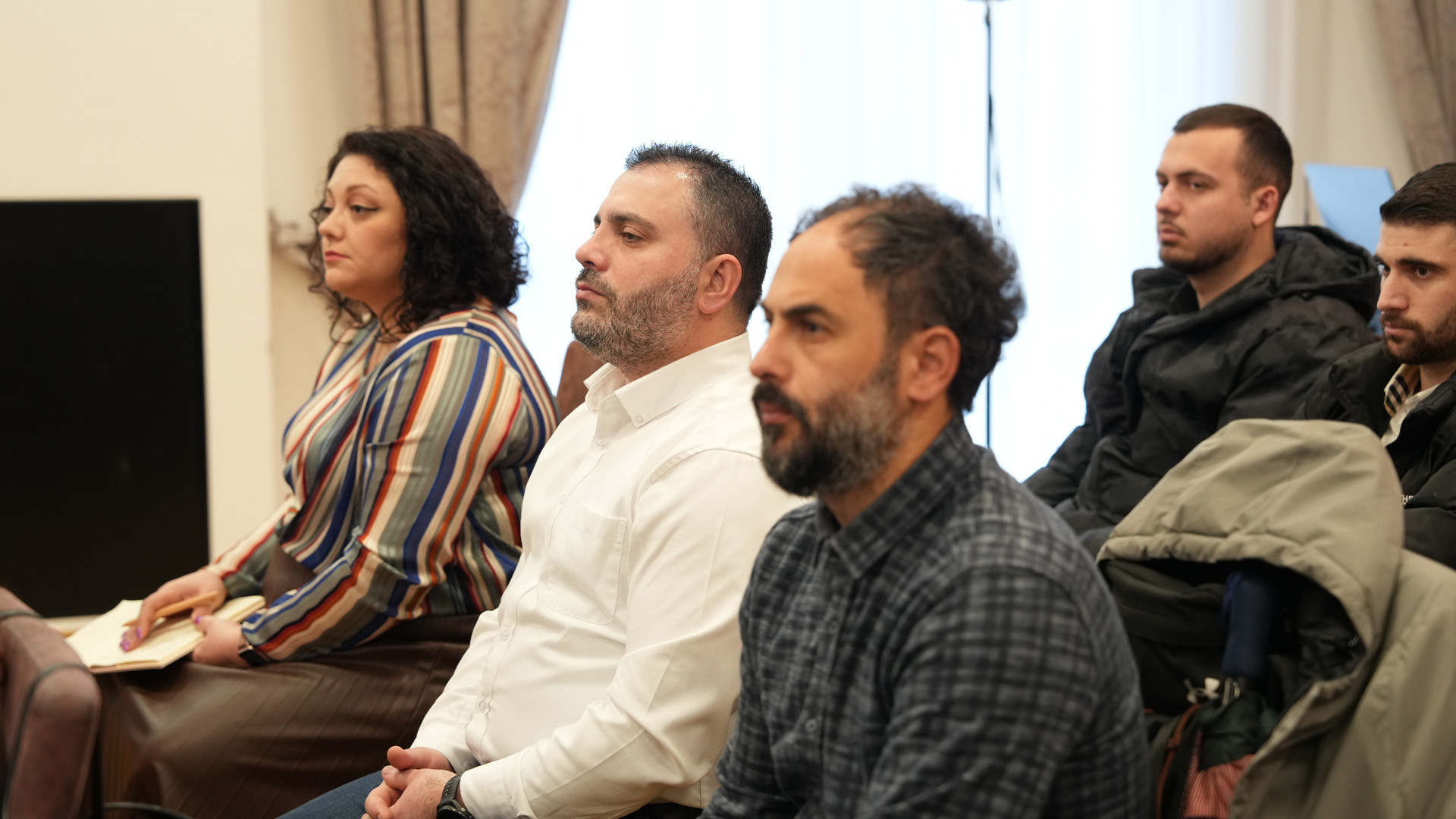
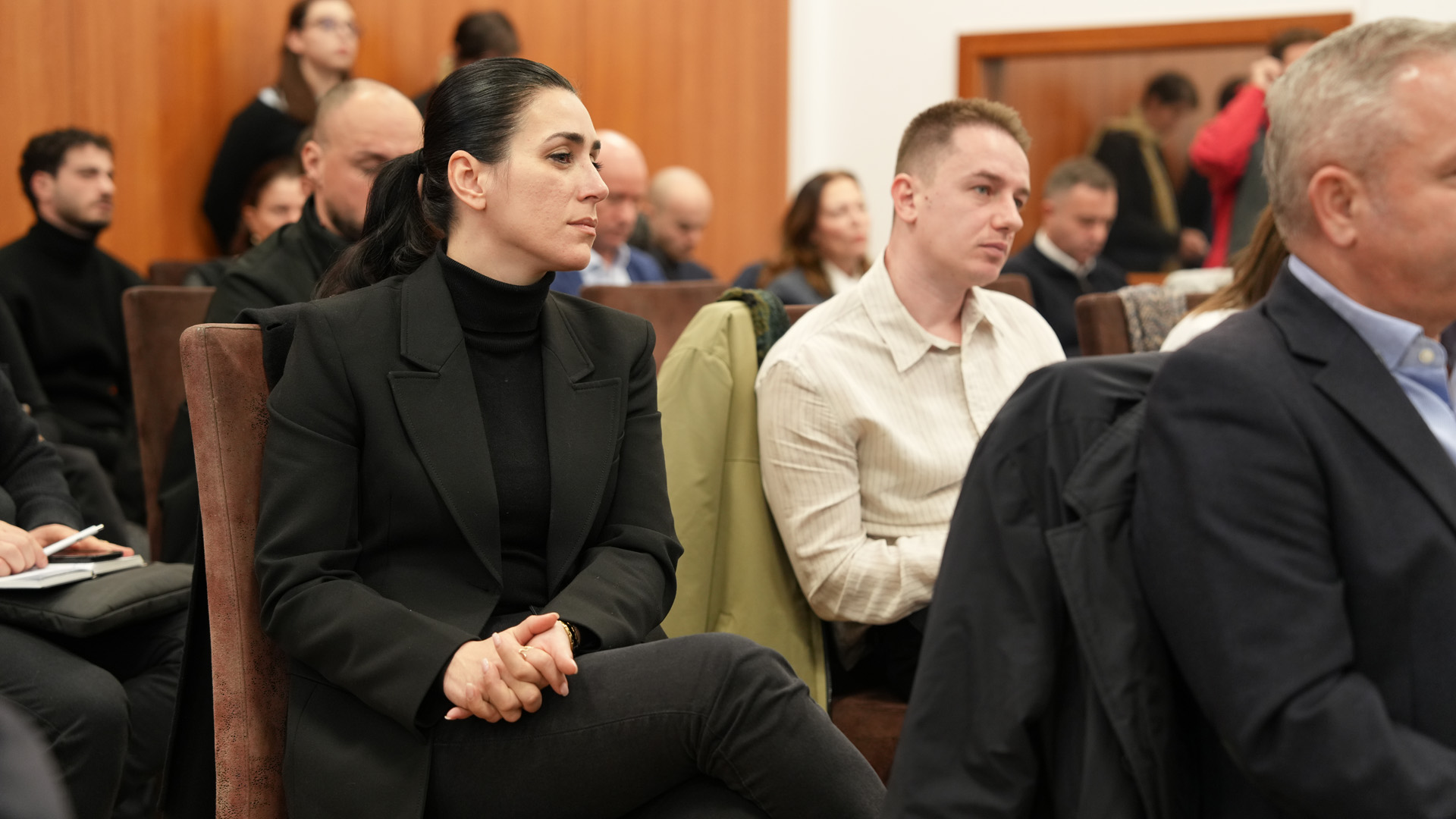
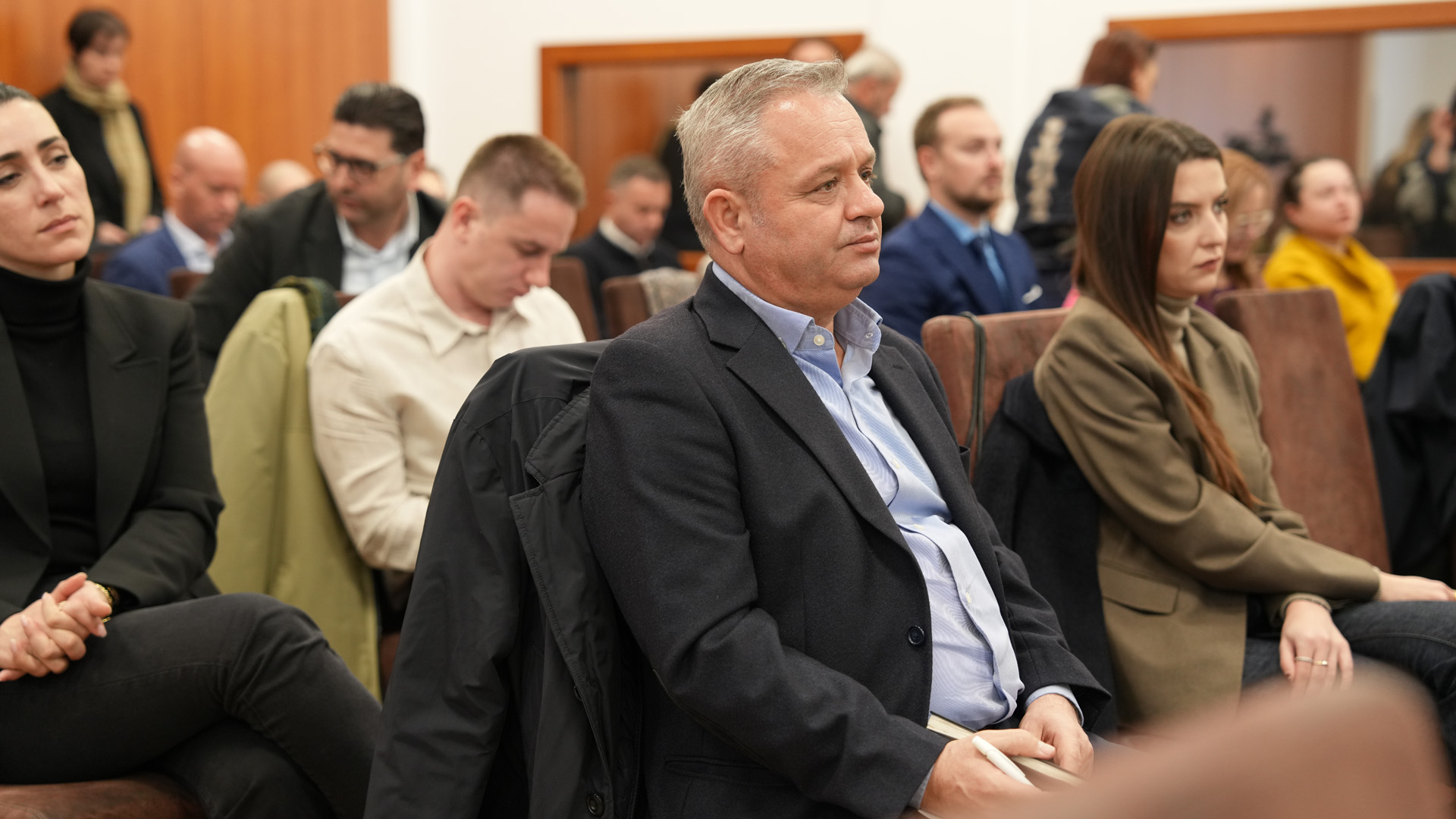
The National Energy Forum, organized by Co-PLAN and implemented within the framework of the EFFORT project and the GreenAL programme, brought together representatives of public institutions, experts, academics, and organizations working in the field of energy. The forum was structured around three levels of discussion: the national and regional policy context, challenges of implementation at the local level, and the practical experiences of communities and civil society. This approach enabled an open and meaningful dialogue on how Albania can achieve a realistic, inclusive, and socially just energy transition.
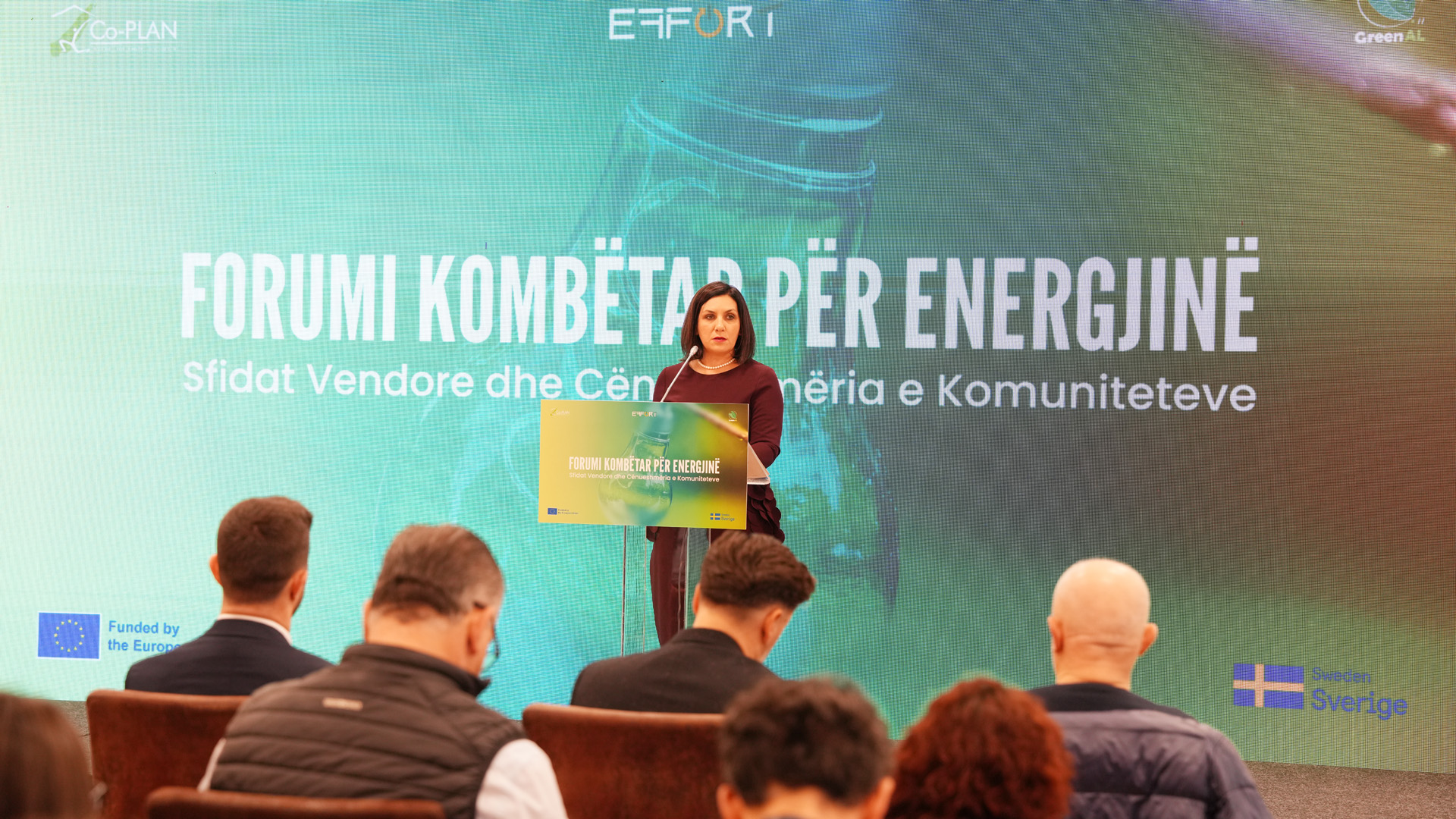
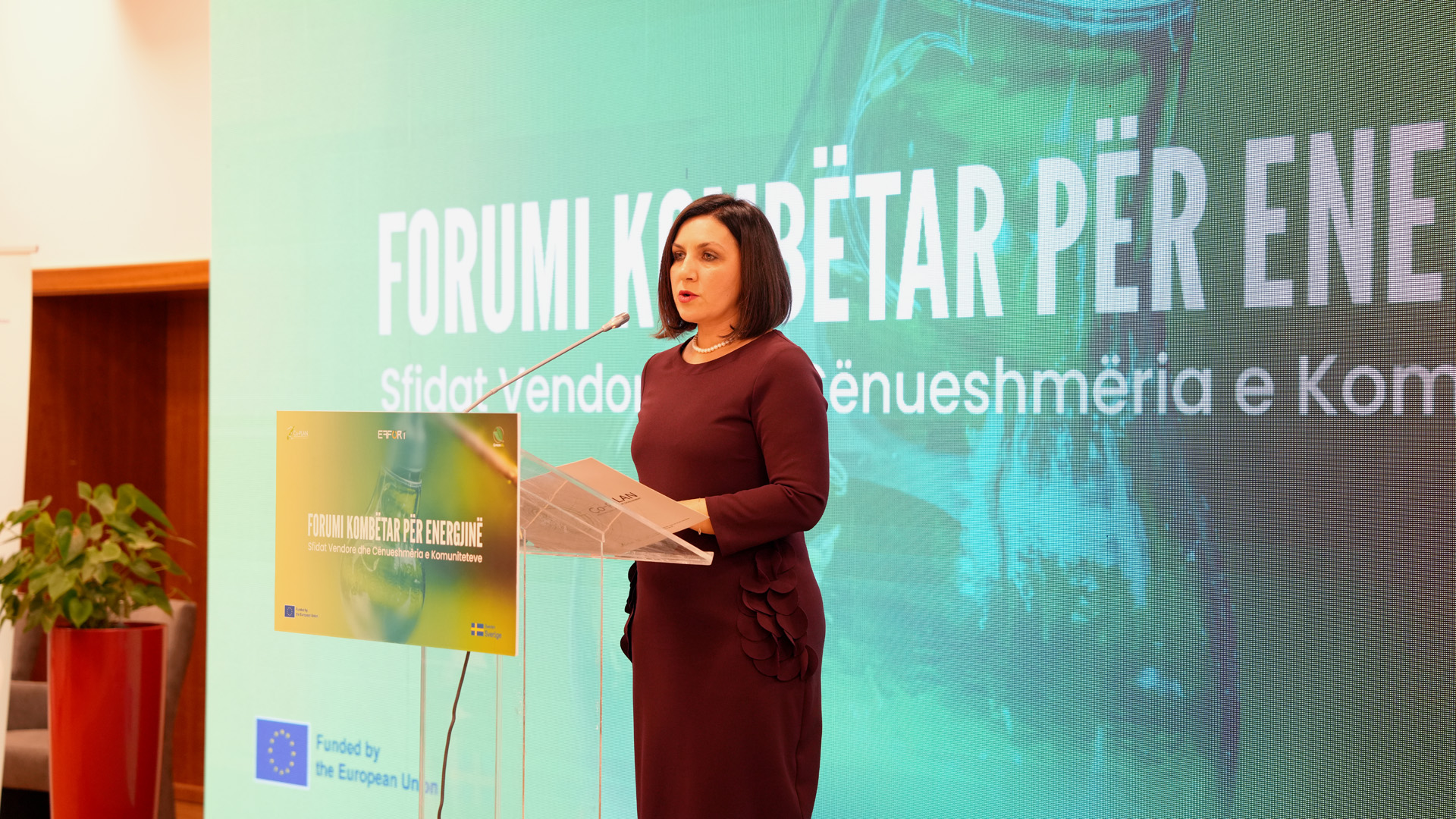
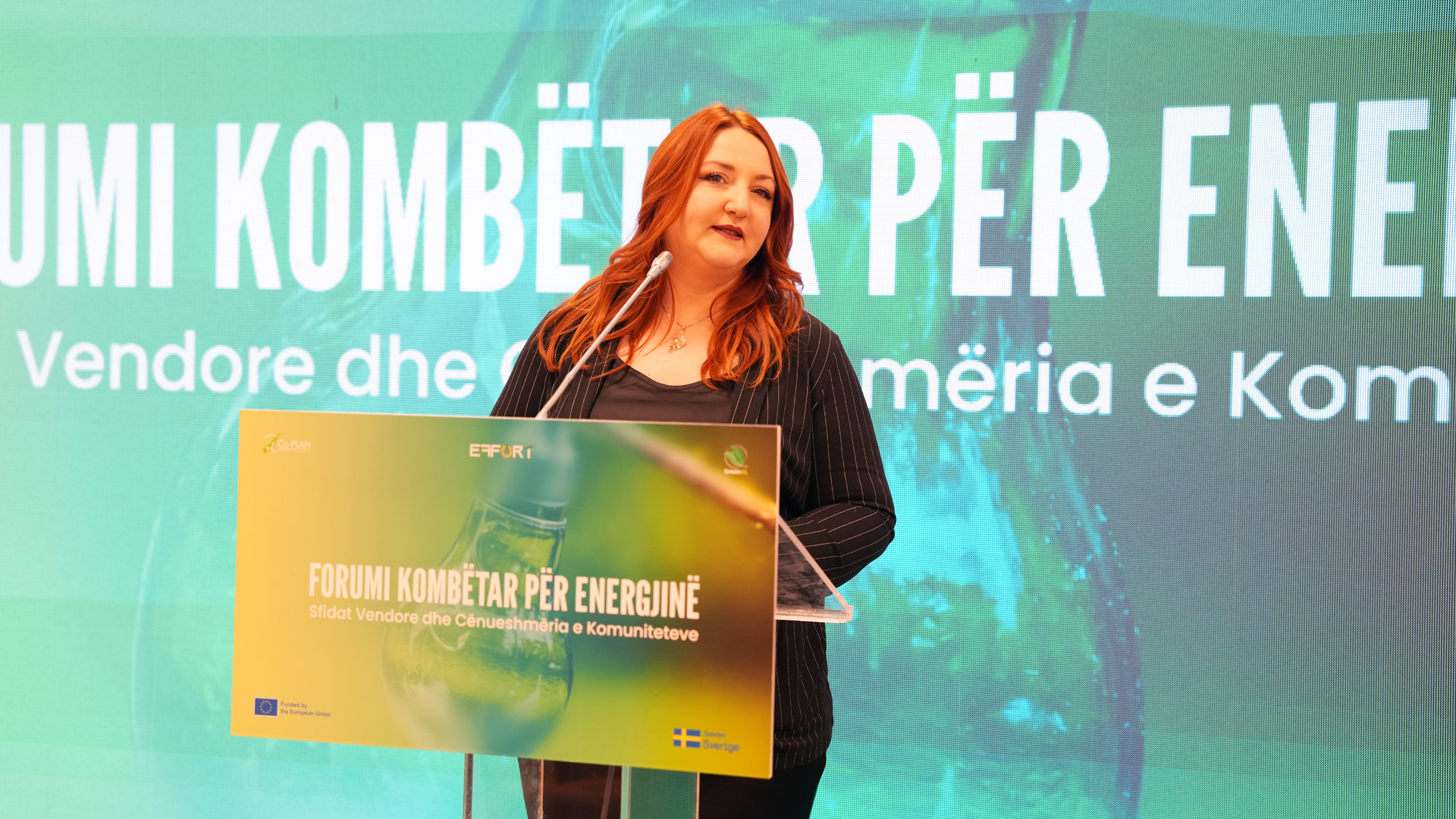
In her opening remarks, Co-PLAN’s Executive Director, Ms. Anila Bejko, stated:
“Today’s forum does not aim to provide simple answers. Our goal is to create a space where national and regional policies meet local realities and citizens’ experiences,” adding that “the energy transition is not only a technical process. Above all, it is a social process. And it will be successful only if it is fair, understandable, and shared.”
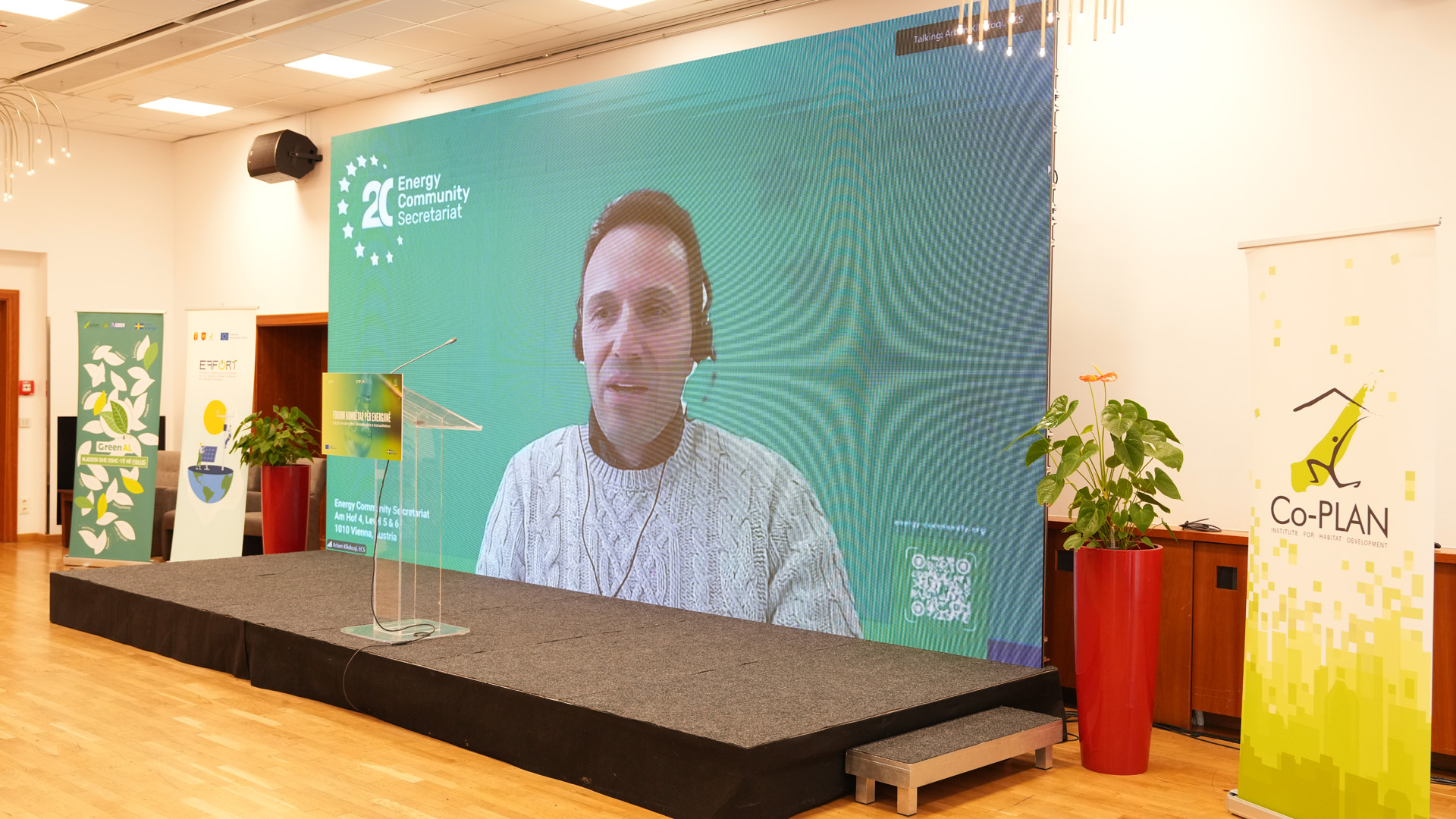
One of the forum’s invited speakers was Mr. Arben Kllokoqi, head of the Regulatory Support Working Group, at the Energy Community Secretariat, who joined online to speak about the opportunities that will open for Albania once it fully integrates into the Energy Community.
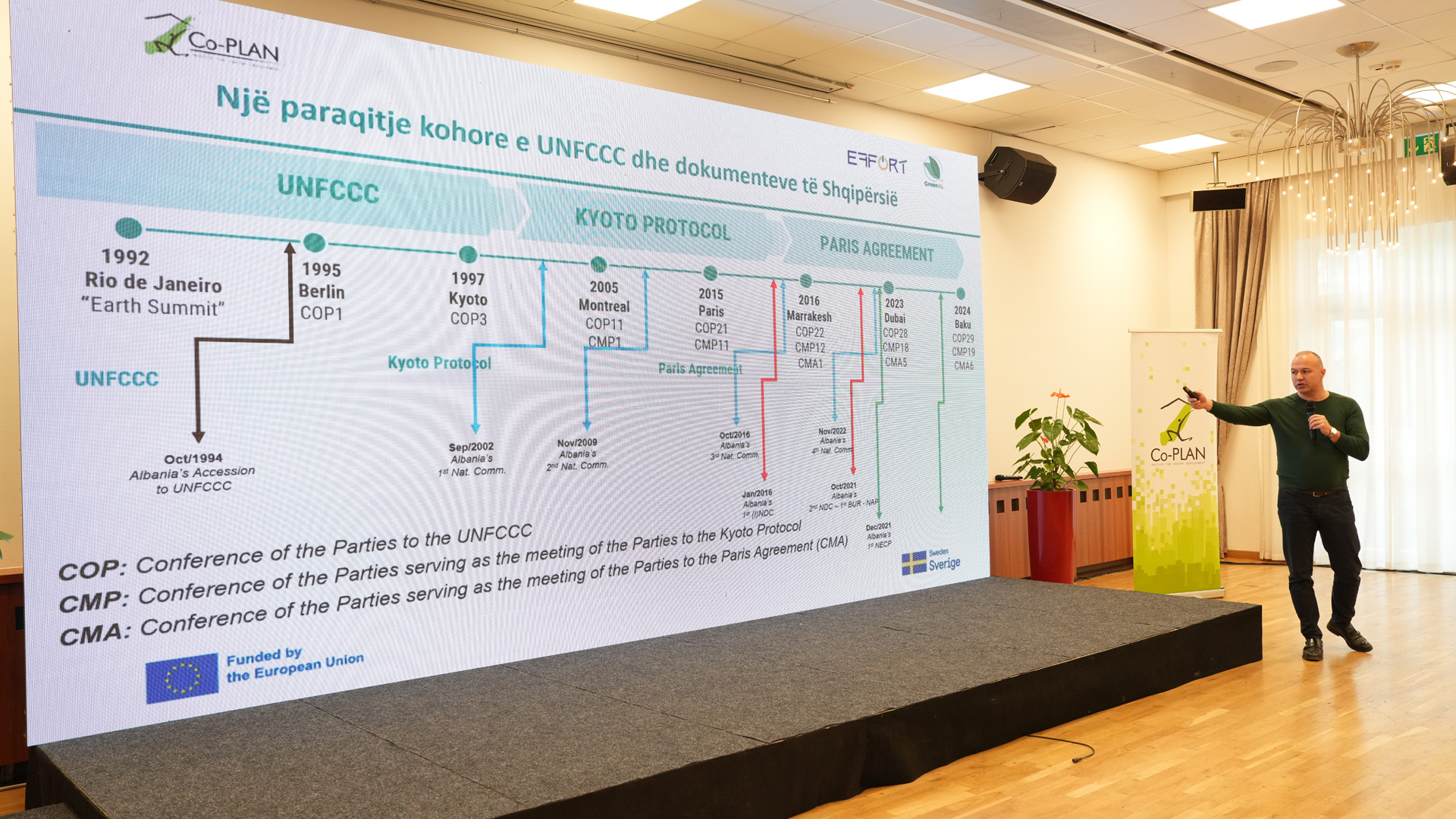
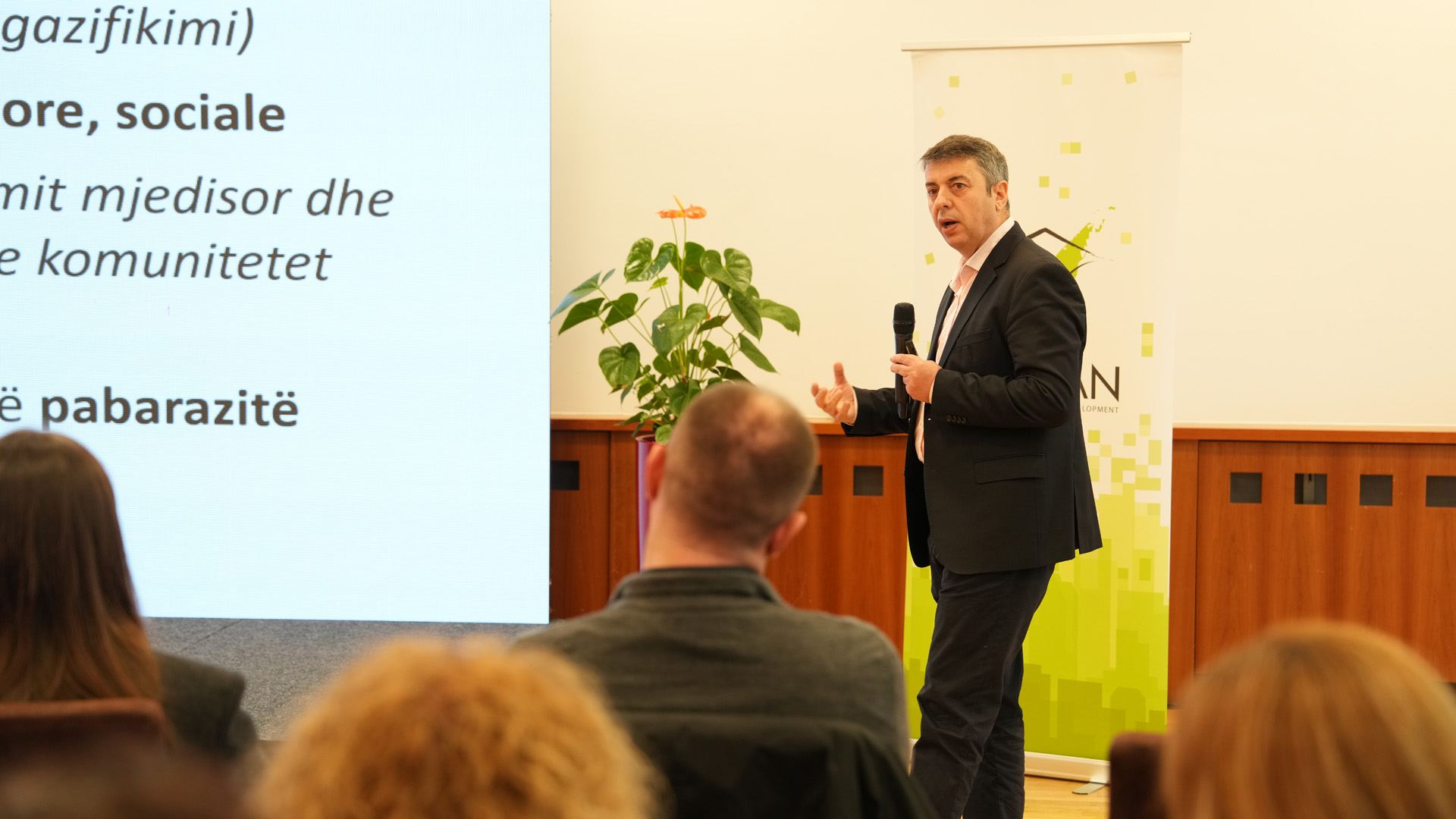
Mr. Rezart Kapedani, National Expert in the field of energy and environment, addressed Albania’s progress in the development of the National Energy and Climate Plan. Meanwhile, Prof. Mihallaq Qirjo, Environmental Expert and Executive Director of REC Albania, presented civil society organizations’ perspectives on energy poverty. He emphasized that CSOs are committed to contributing to the necessary structural solutions. Their experience provides insight into how energy policies affect households and vulnerable groups, and how bottom-up initiatives can complement institutional efforts to ensure greater well-being for people.

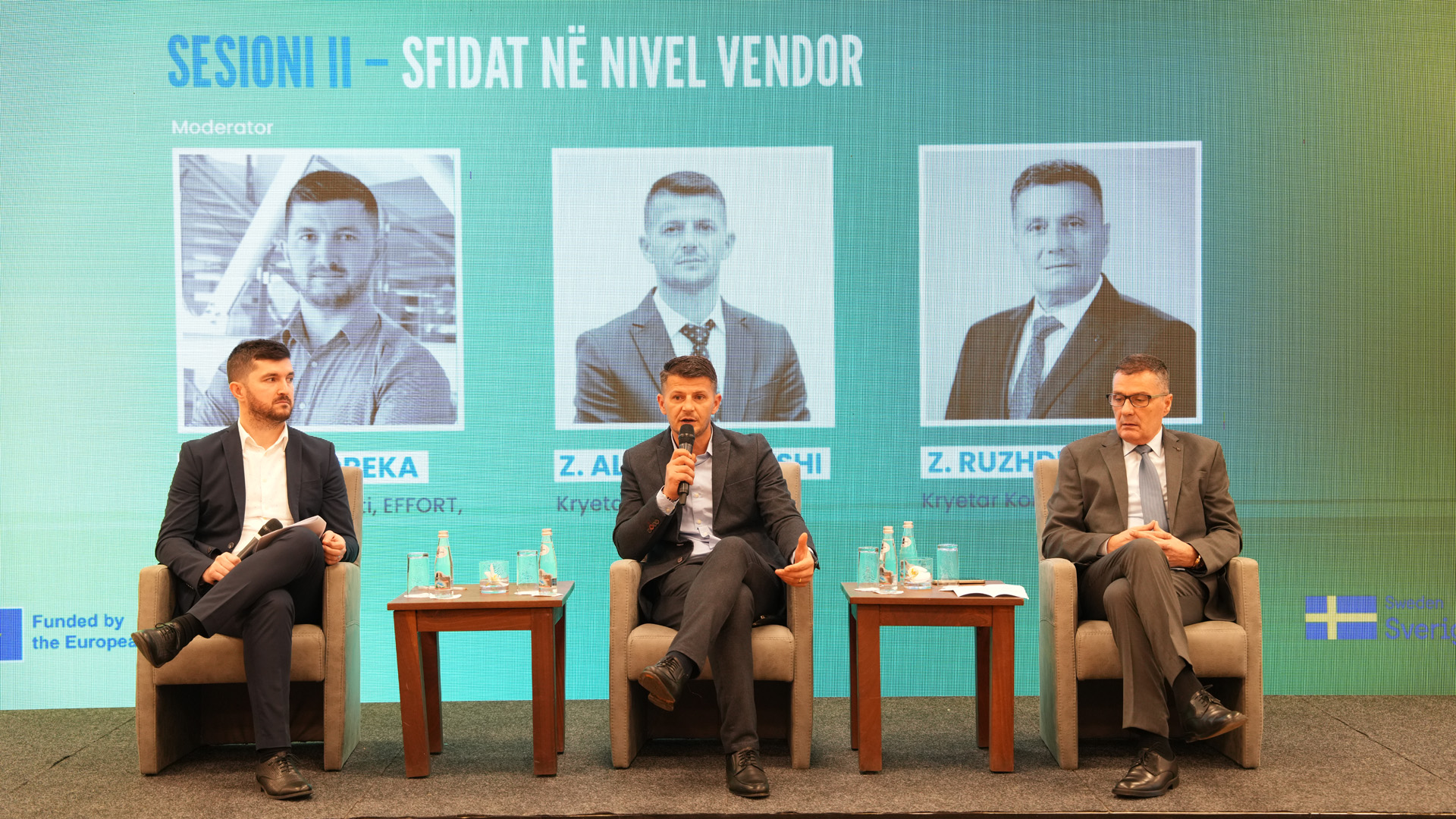
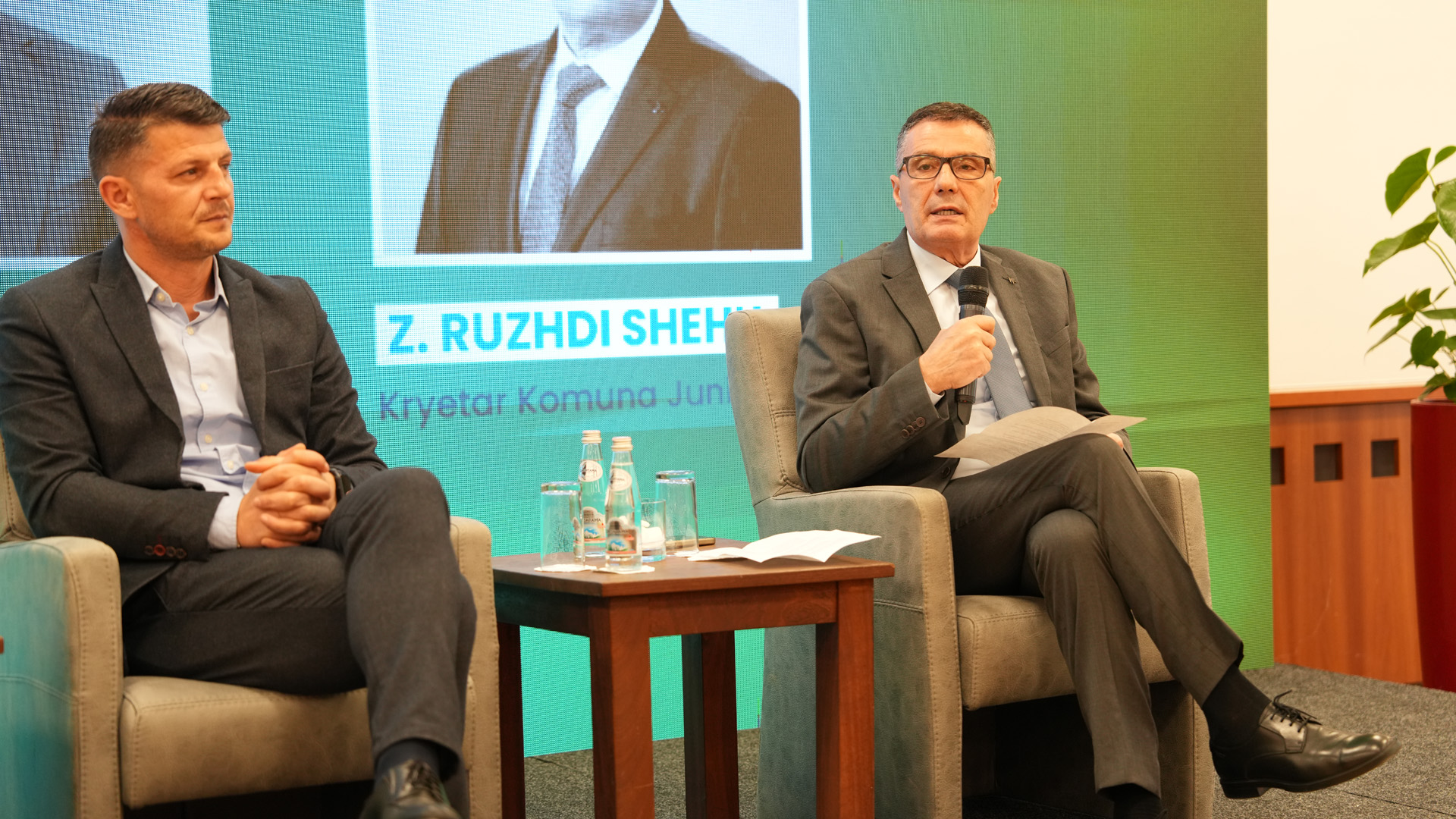
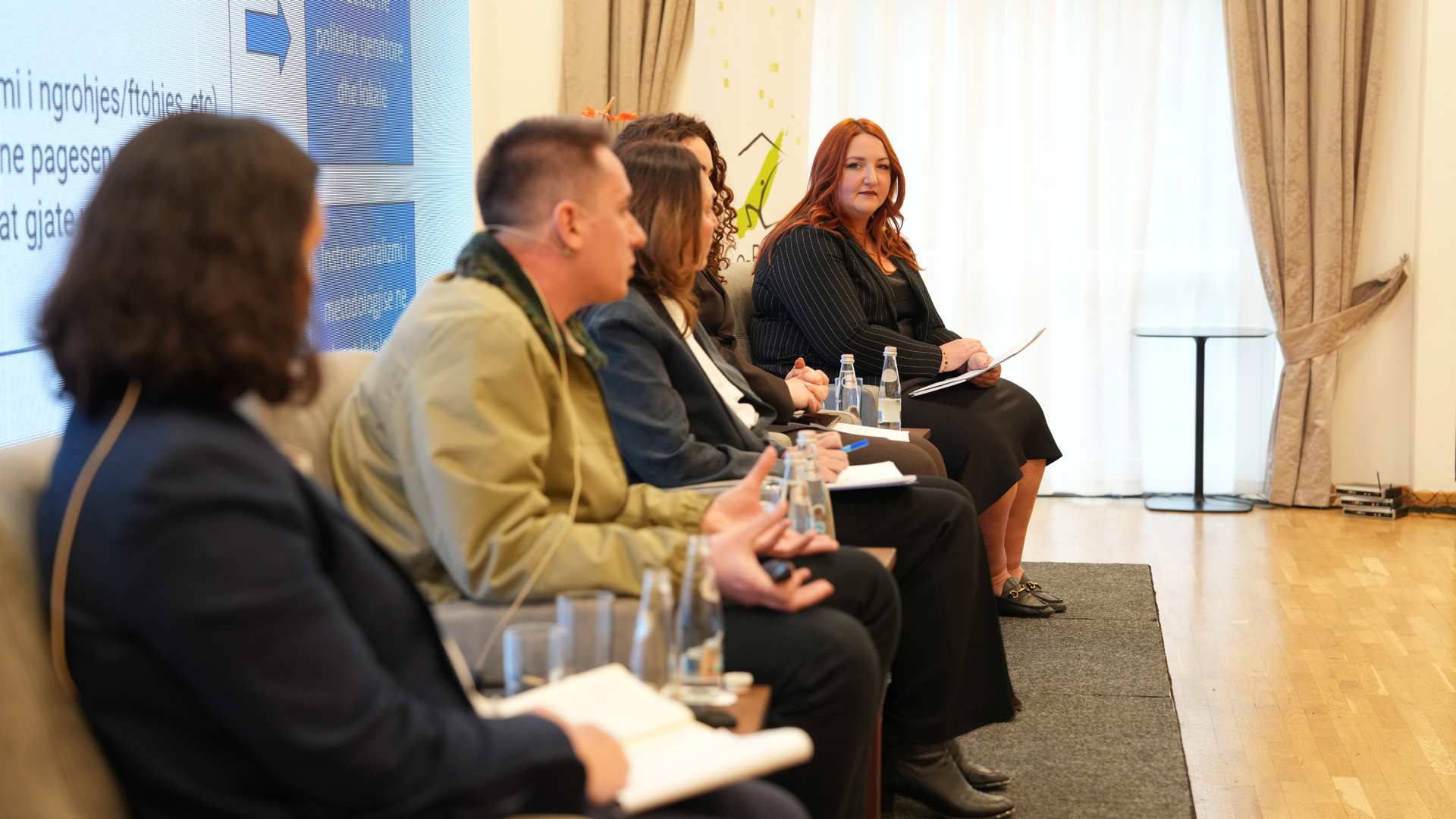
Beyond the opening remarks, the forum featured two dedicated panel discussions. The first panel focused on energy challenges at the local level, with contributions from Mr. Albert Melyshi, Mayor of Mirditë Municipality; Mr. Ruzhdi Shehu, Mayor of Junik Municipality in Kosovo; and Mr. Elvis Ndreka, EFFORT Project Manager. They discussed the EFFORT project as an example of an initiative supporting local energy development policies, highlighting its approach to energy-efficient buildings and the use of renewable energy in public facilities.
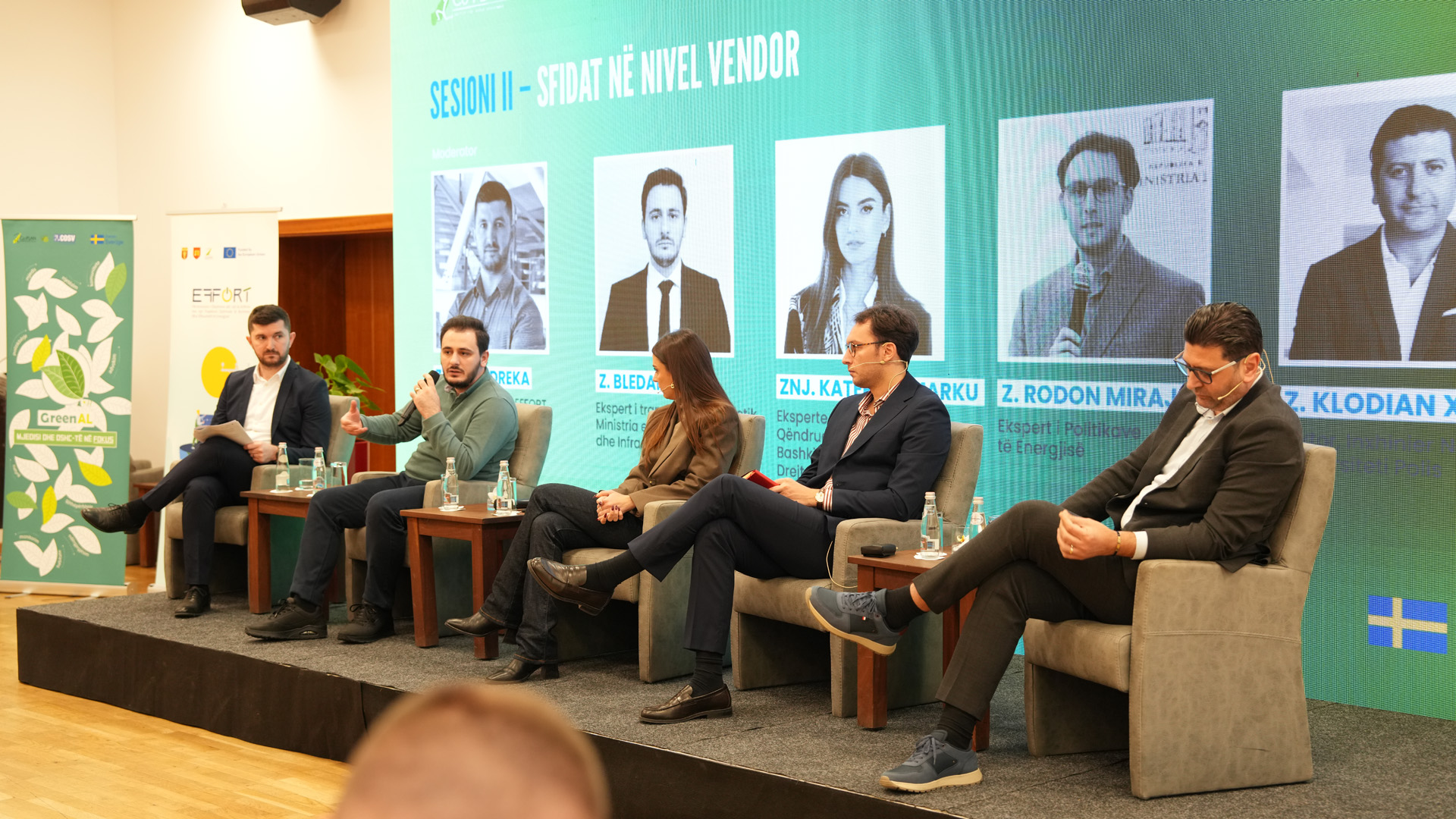
The discussion on local-level challenges and the need for coordinated institutional action for a successful energy transition continued with contributions from Mr. Bledar Aliaj, Energy Transition Expert at the Ministry of Energy and Infrastructure; Ms. Katerina Marku, Energy and Sustainability Expert at the Municipality of Tirana; Mr. Rodon Miraj, Energy Policy Expert; and Mr. Klodian Xhexhi, Lecturer in Civil Engineering at Polis University.
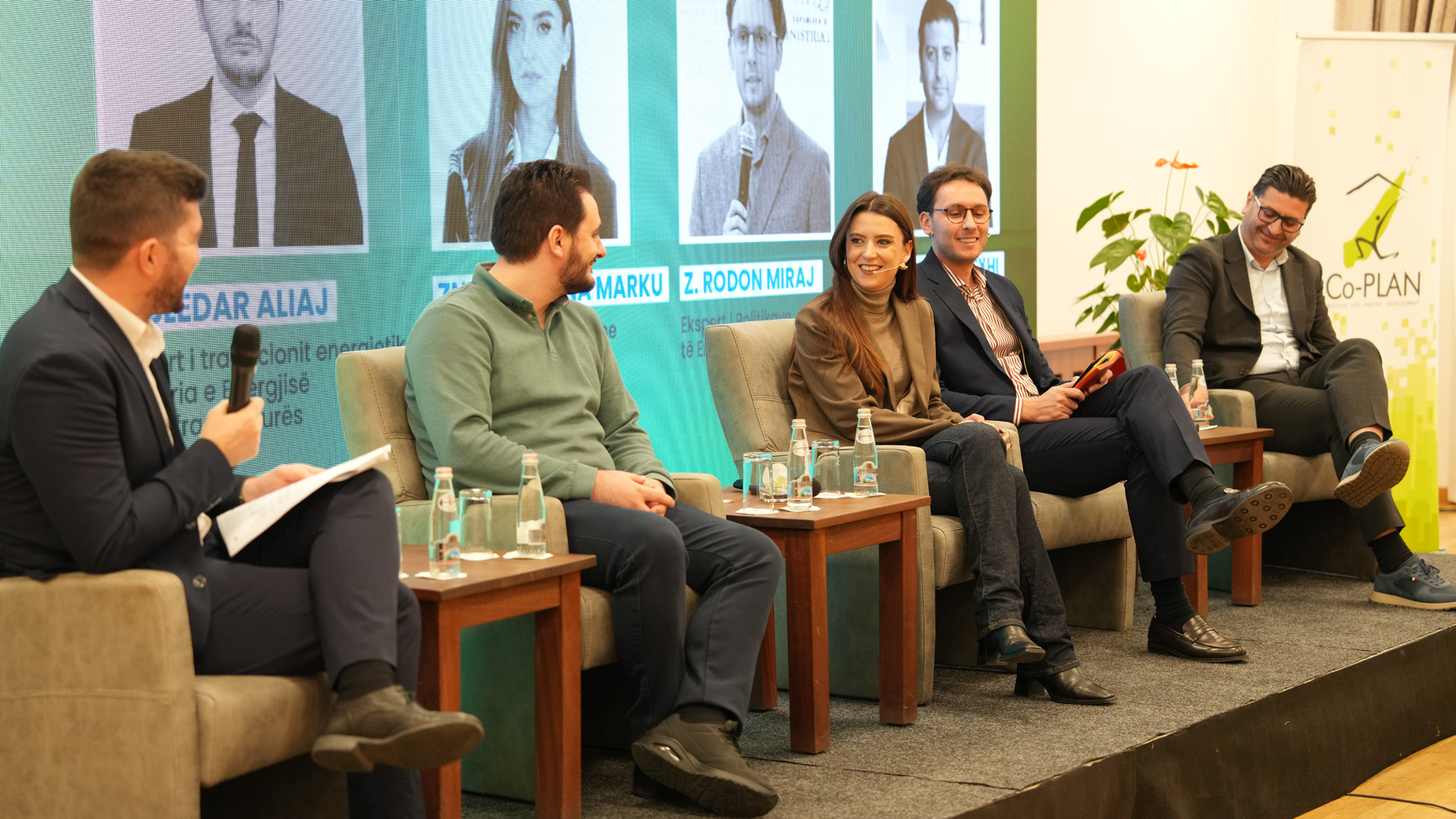
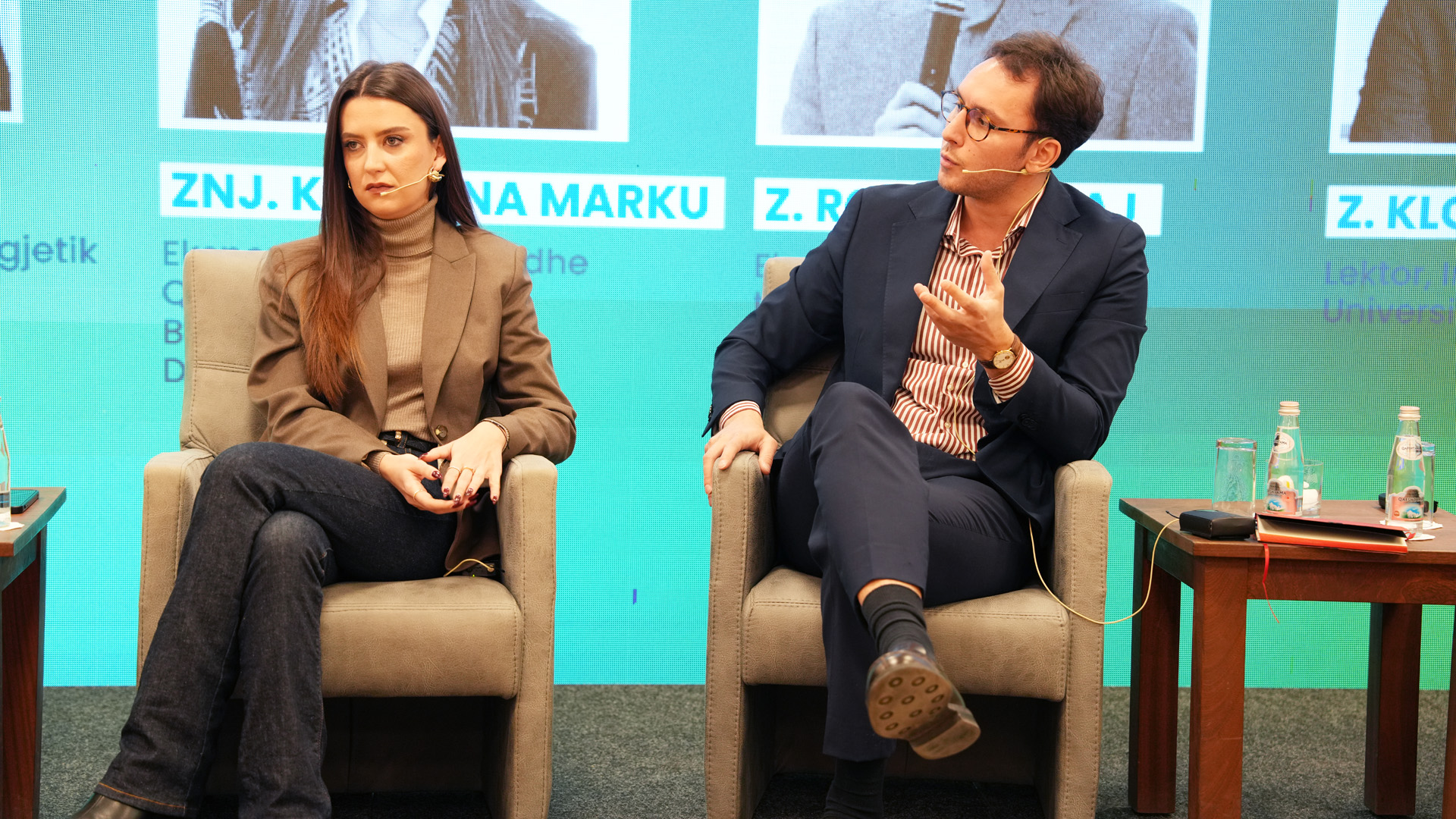
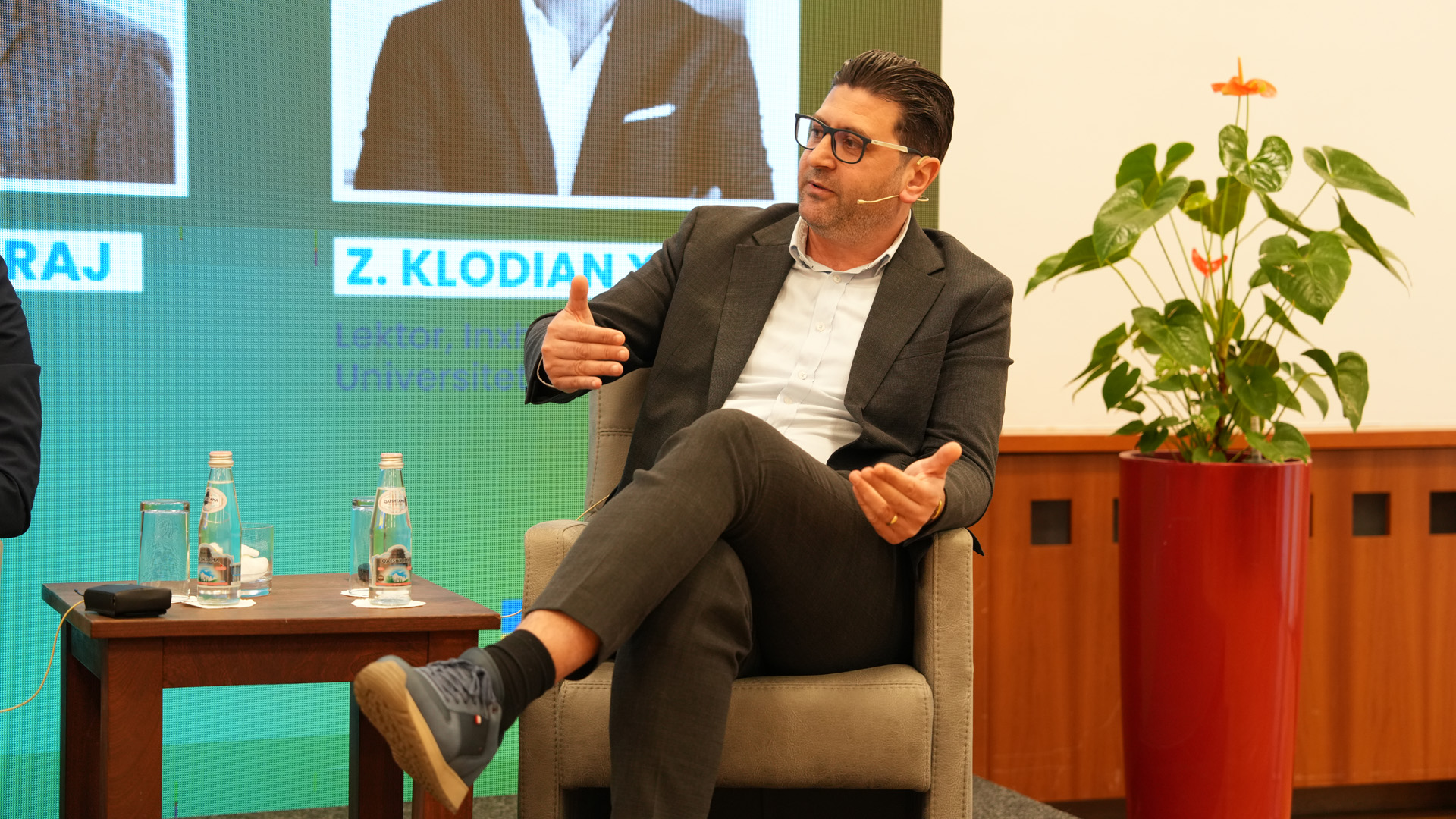
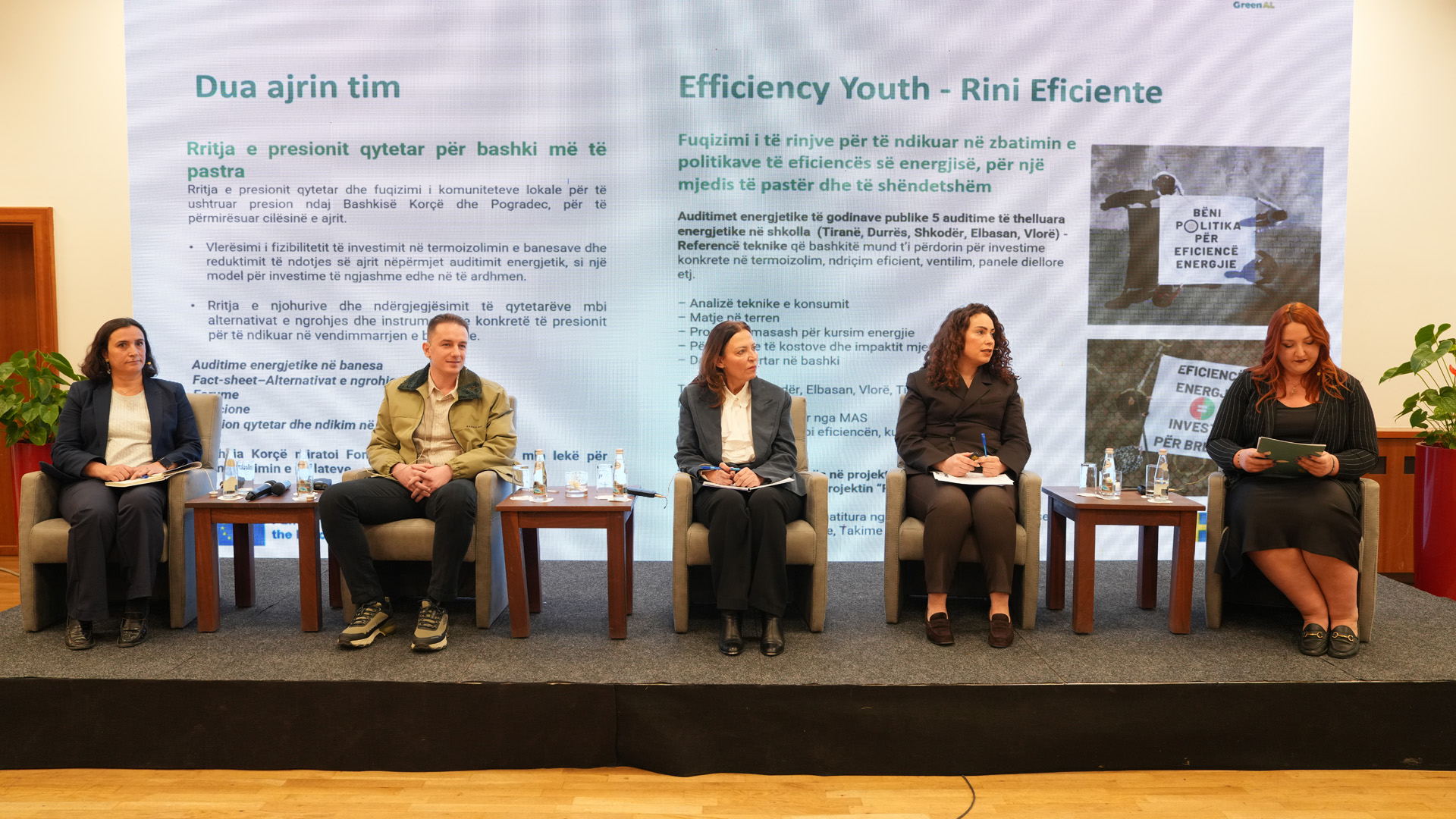
In the final session of the forum, the focus shifted to concrete actions undertaken by civil society to monitor and research issues related to energy, environment, and climate, as well as to raise community awareness about the Climate and Energy Action Plan and the barriers encountered in implementing initiatives that contribute to achieving its objectives. The panel presented examples of projects aimed at community empowerment and the use of renewable energy at the local level.
Contributions in this session were made by Ms. Ola Mitre, Media Expert and Executive Director of All Green Centre; Mr. Meivis Struga, Environmental Expert at ETMI; Ms. Valbona Mazreku, Executive Director of Milieukontakt; and Ms. Etleva Martiri, Civil Society Expert at the Development Alternative Resource Center.
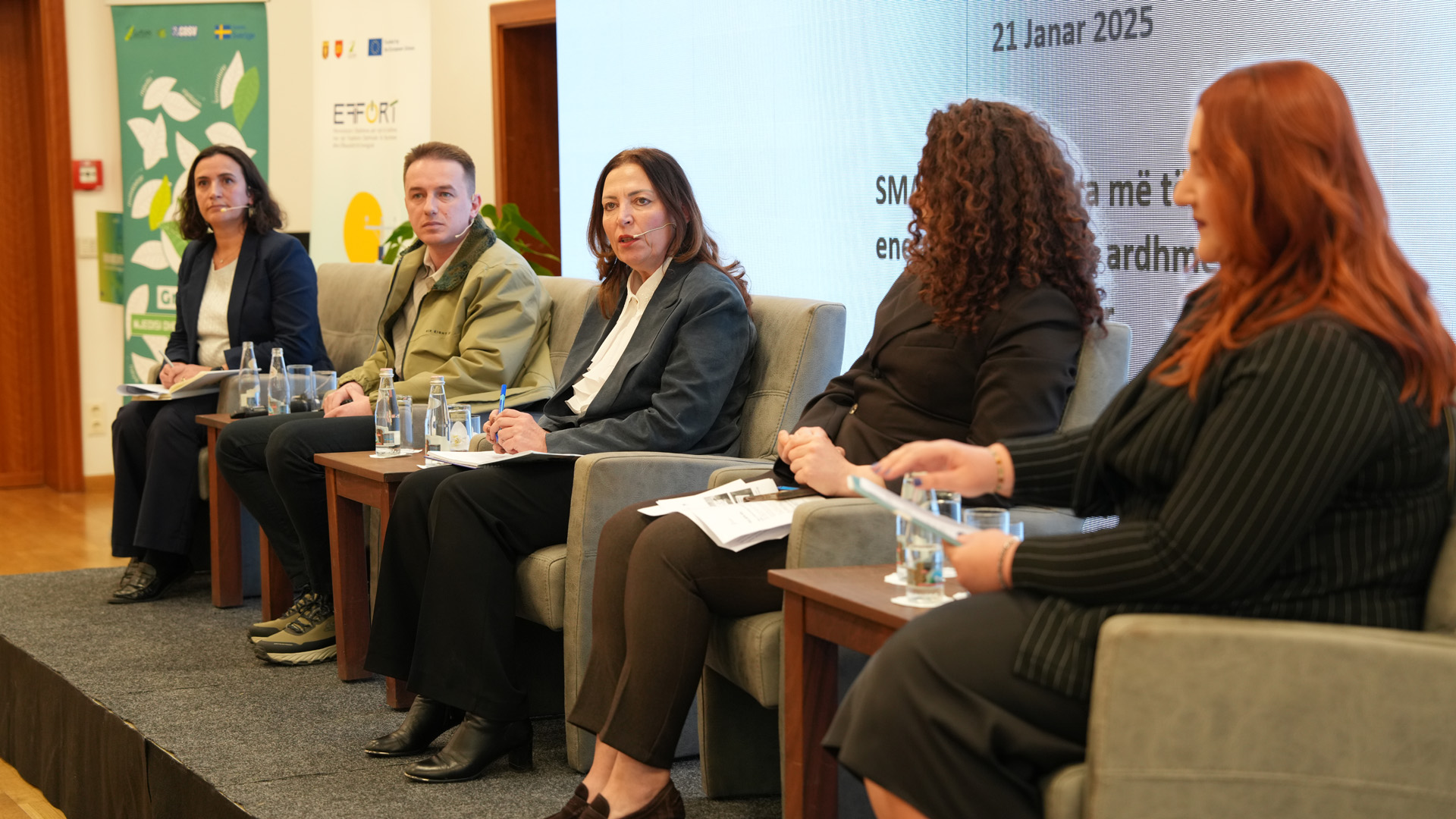
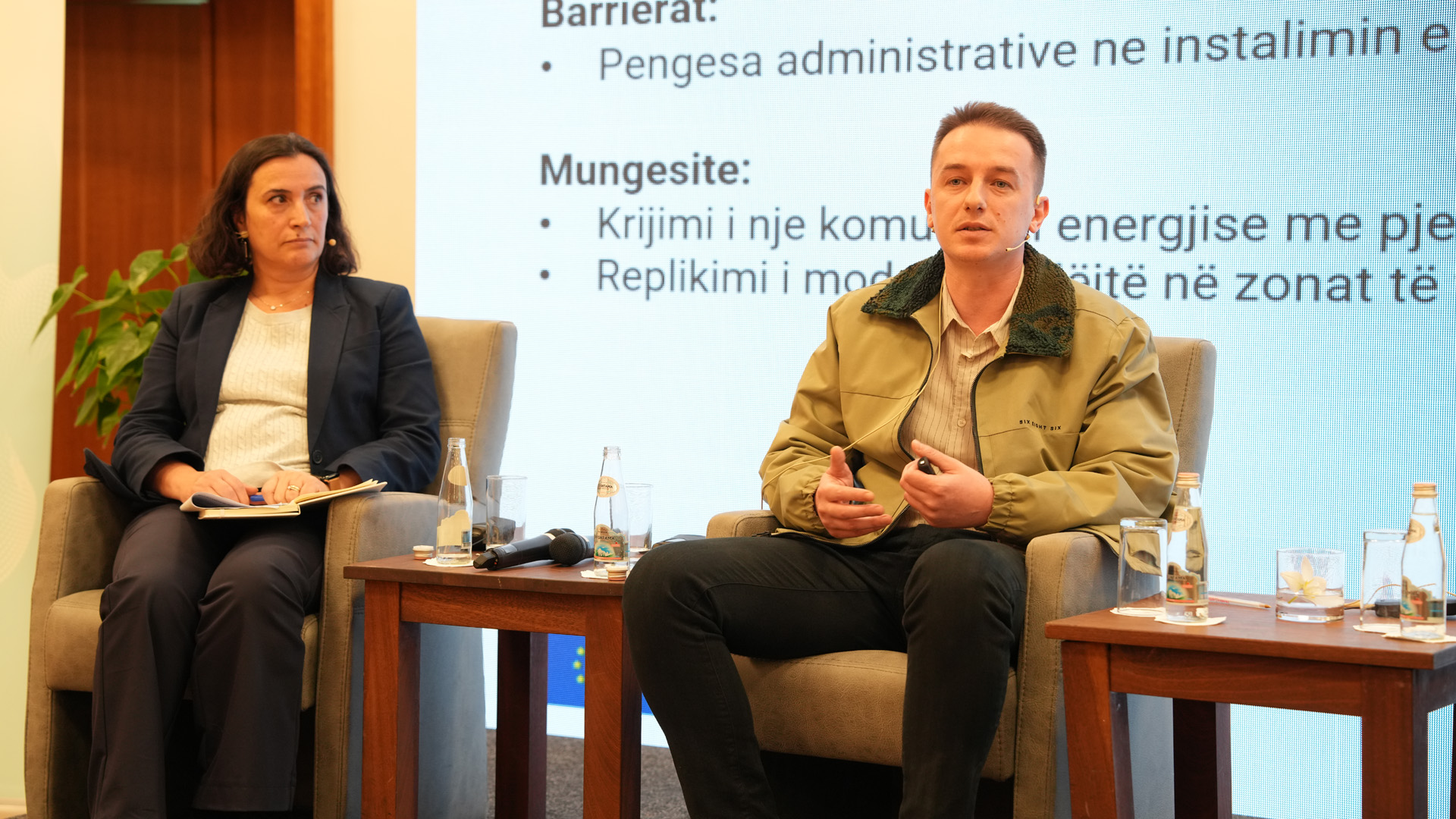
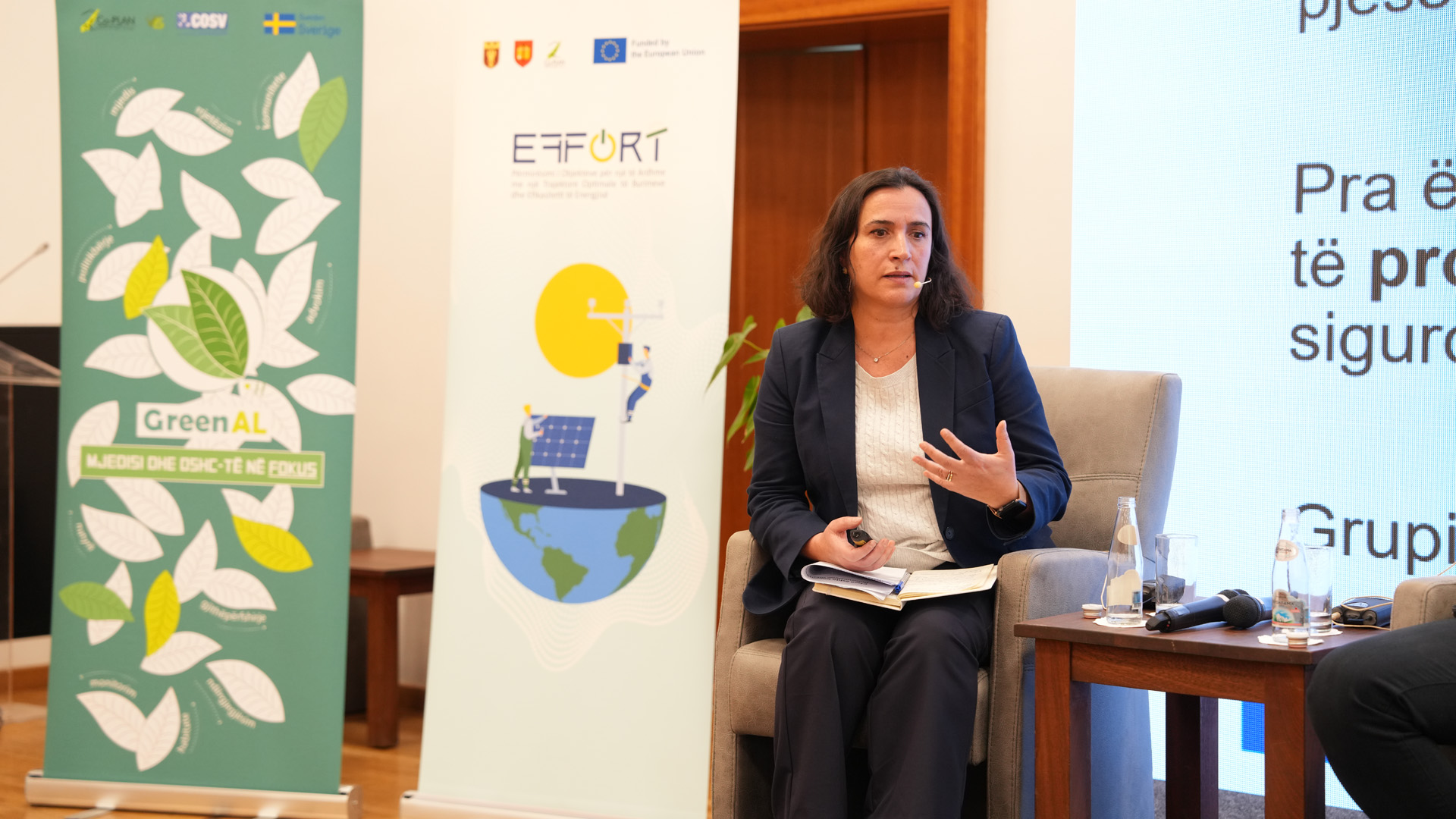
National Energy Forum: Summary of discussions
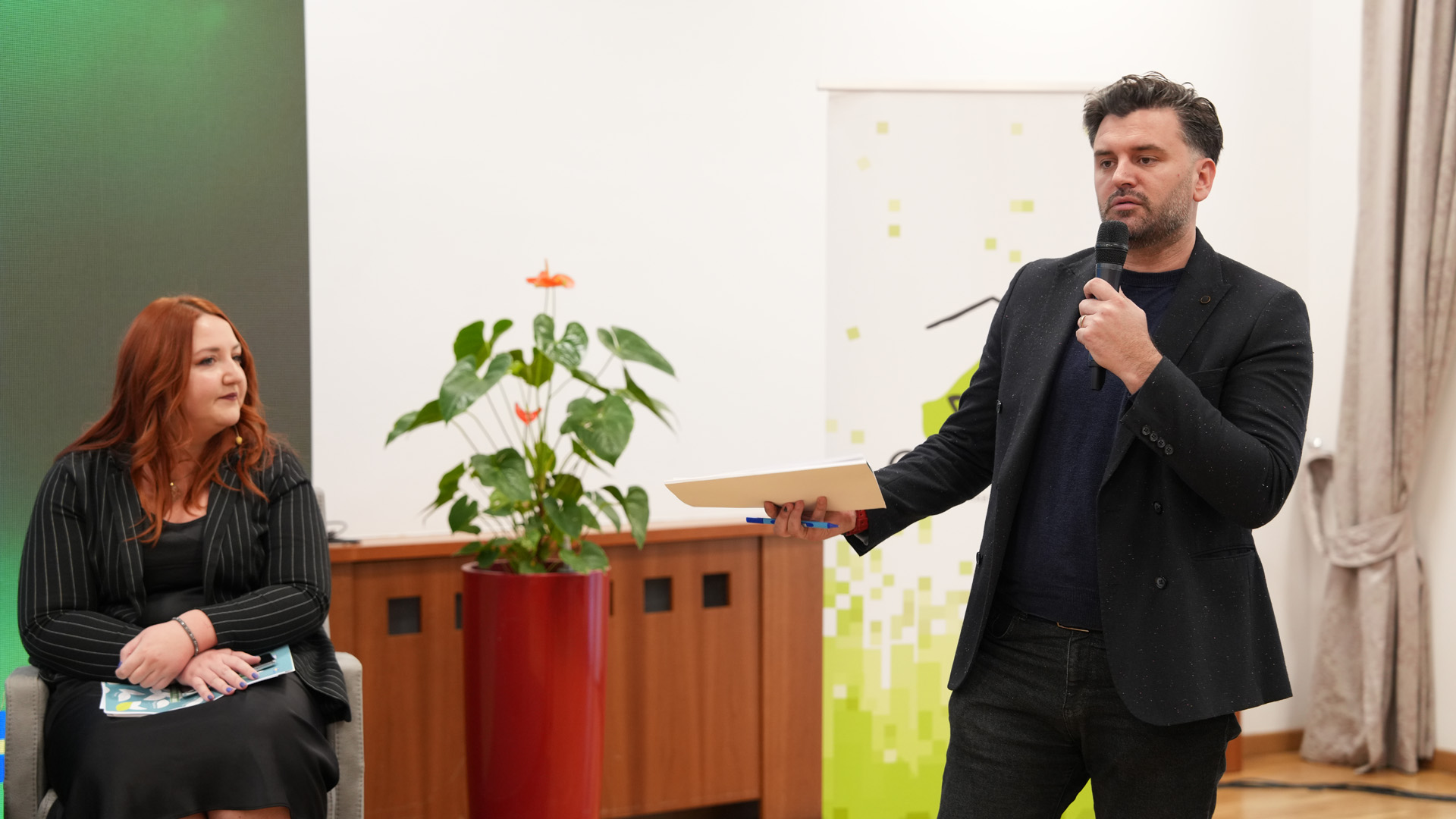
The forum was moderated by Ms. Kejt Dhrami, an expert in territorial governance and regional development at Co-PLAN. At the conclusion of the forum, Mr. Imeldi Sokoli, GreenAL Project Manager, provided a summary of the discussions.
“Cooperation should not be seen only as a legal obligation, but as a continuous coordination of efforts among actors, ensuring the sustainability of the process.”
He added that civil society is the most effective interlocutor for the energy transition, helping to highlight issues that need to be addressed or improved, as well as concerns that institutional actors may overlook or for which coordination is lacking.
The GreenAL project “Supporting Civil Society Environmental Organizations 2024 – 2027” is funded by the Swedish International Development Cooperation Agency (Sida) with funds from the Swedish Government, implemented by Co-PLAN, Institute for Habitat Development, in collaboration with VIS Albania and COSV – Cooperazione per lo Sviluppo.
The EFFORT project is implemented by the Municipality of Mirdita, Junik Municipality and Co-PLAN, Institute for Habitat Development, and is funded by the European Union through the Cross-Border Program IPA Albania-Kosovo.